
Research Collaborators
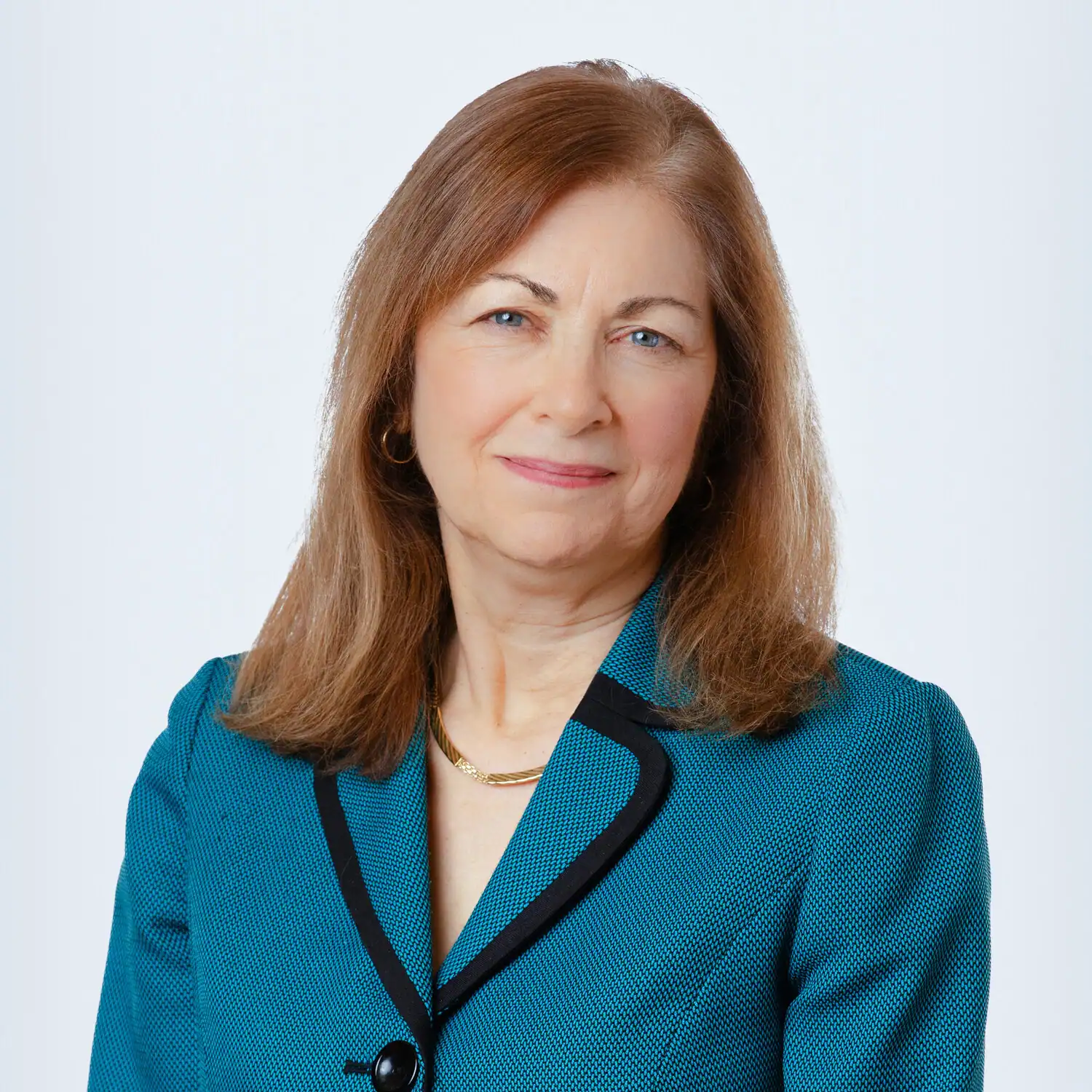
Angela Colantonio, PhD
(She/her)
Professor, Department of Occupational Science and Occupational Therapy and Rehabilitation Sciences Institute University of Toronto
Dr. Angela Colantonio holds a Canada Research Chair (Tier 1) in Traumatic Brain Injury in Underserved Populations and was the recipient of the Saunderson Family Chair in Acquired Brain Injury and a CIHR Research Chair in Gender, Work and Health. Dr. Colantonio leads the internationally recognized Acquired Brain Injury Research Lab at the University of Toronto and the KITE Research Institute-University Health Network which benefits from the contributions of outstanding trainees/scientists and community based partners. Her research aims to address traumatic brain injury, a leading cause in death and disability, in underserved populations such as persons who have experienced homelessness, the justice system and brain injury through violence including intimate partner violence with a sex and gender lens.
Carolina Bottari, PhD
(She/her)
Full Professor, Interdisciplinary Research Centre for Rehabilitation Université de Montréal
Dr. Carolina Bottari is a Professor at the Interdisciplinary Research Centre for Rehabilitation, Université de Montréal. Trained as an occupational therapist, she holds a Ph.D. (2007) in Biomedical Sciences from Université de Montréal. She completed postdoctoral fellowships at the Kunin Lunenfeld Applied Research Unit, Baycrest Hospital, University of Toronto (2007) and at the Cognitive Neuroscience Unit, Montreal Neurological Institute and Hospital, McGill University (2010). Dr. Bottari’s research focuses on the impact of acquired and traumatic brain injury on daily life, participation, and social inclusion. Her current work addresses homelessness prevention among people with brain injury, telemonitoring for older adults with cognitive deficits, and the development of integrated support ecosystems for women experiencing traumatic brain injury following intimate partner violence.
Carrie Esopenko, PhD
(She/her)
Associate Professor and Co-Director of the Traumatic Brain and Concussion Center, Department of Neurology University of Utah
Dr. Carrie Esopenko is an Associate Professor and Co-Director of the Traumatic Brain Injury and Concussion Center in the Department of Neurology at the University of Utah. Her research focuses on understanding the effects of neurotrauma and mental health conditions across populations, identifying methods for improving brain injury prevention, and developing patient-specific and community-based intervention strategies for trauma-exposed populations. She is specifically interested in addressing the chronic and long-term effects of brain injury and repetitive head impacts on cognitive, neural, and psychological health in individuals with exposure to intimate partner violence (IPV), military sexual trauma (MST), and blast-related injury. She leads the ENIGMA Intimate Partner Violence Working Group, and co-leads ENIGMA Global Knowledge Exchange Network.

Catherine Wiseman-Hakes, PhD
(She/her/elle)
Assistant Clinical Professor, Rehabilitation Science Speech Language Pathology Program McMaster University
Dr. Catherine Wiseman-Hakes is a speech-language pathologist and clinical neuroscientist whose work focuses on youth and adults with traumatic brain injuries, particularly within marginalized and underserved communities, including those involved in the justice system. Her research and clinical practice address the intersecting impacts of gender-based and intimate partner violence, precarious housing, and systemic and social violence. Catherine has developed training for police, probation and parole officers, legal professionals, and health care providers, and is a dedicated advocate for equitable access to justice through developmental, trauma-informed, and rehabilitative approaches.
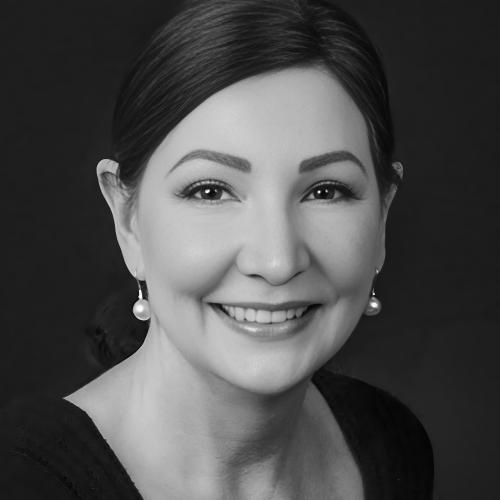
Cheryl Wellington, PhD
(She/her)
Professor and Vice Chair Research, Department of Pathology and Laboratory Medicine Djavad Mowafaghian Centre for Brain Health University of British Columbia
Dr. Wellington is a basic research scientist whose research interests focus on three common genetic and environmental risk factors for dementia, including apolipoprotein E (apoE) metabolism, history of traumatic brain injury (TBI), and cerebrovascular dysfunction. Dr. Wellington holds leadership positions in both the dementia and neurotrauma communities, including the Canadian Traumatic Brain Injury Research Consortium, the International Traumatic Brain Injury Research Consortium, the Canadian Consortium for Neurodegeneration in Aging, and the AstraZeneca ApoE Alzheimer Disease Academic Alliance.
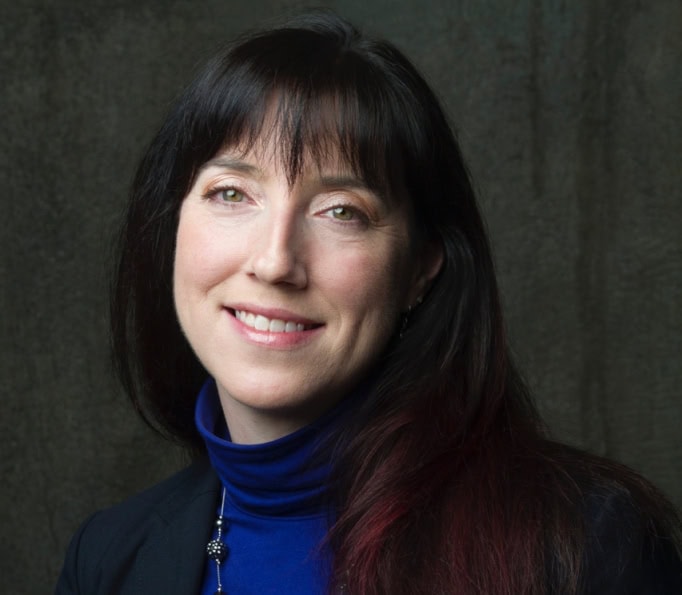
Halina (Lin) Haag, PhD
(She/her)
Post doctoral fellow, Faculty of Social Work Wilfrid Laurier University
Ms Haag is a Post doctoral fellow in Social Work at Wilfrid Laurier University, researching in the areas of disability studies and traumatic brain injury. Her work focuses on women survivors of intimate partner violence with resultant brain injury, exploring factors influencing mental health, return to work, and social inclusion. Lin recently completed a project exploring brain injury awareness in intimate partner violence service agencies and the development of an online educational toolkit to be used in this arena, The Abused & Brain Injured Toolkit. She is currently working to expand the toolkit with modules exploring employment and mental health challenges experienced by women survivors. As someone with lived experience of traumatic brain injury, Lin uses her story to add complexity and nuance to her research, teaching, and practice.
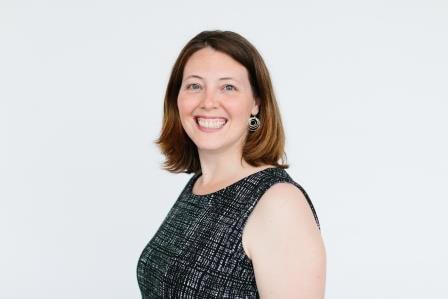
Hannah Varto, MN, NP, SANE-A
(She/her)
Nurse Practitioner – Forensic Embrace Clinic, Forensic Nursing Service Fraser Health
Hannah Varto is an experienced Nurse Practitioner specializing in interpersonal violence, forensic health care, and sexual and reproductive health. She provides medical-forensic care with a focus on adolescents and women, and is actively involved in research on brain injury and strangulation related to violence. Hannah is also an educator and speaker, teaching within forensic health sciences and delivering training to health and community professionals.
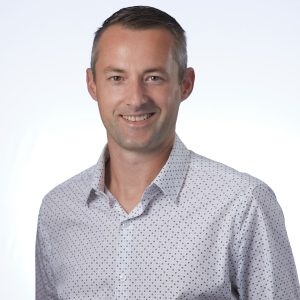
Michael Ellis, MD, FRCS(C)
(He/him)
Medical Director, Pan Am Concussion Program Pan Am-Clinic
Dr. Michael Ellis is Medical Director of the Pan Am Concussion Program and Co-Director of the Canada North Concussion Network. He holds clinical appointments in the Departments of Surgery and Pediatrics, Section of Neurosurgery, University of Manitoba, and is a Scientist at the Manitoba Institute of Child Health. Dr. Michael Ellis’ research focuses on the use of telemedicine to expand access to specialized concussion care for patients living in rural, remote and isolated communities in Canada. It also focuses on the epidemiology, clinical assessment and management of intimate partner violence traumatic brain injury.
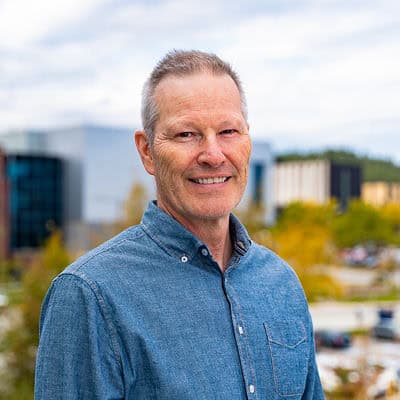
Paul van Donkelaar, PhD
(He/him)
Professor, School of Health and Exercise Sciences University of British Columbia
Dr. Paul van Donkelaar is co-founder and scientific advisor for SOAR. He is also a professor in the School of Health and Exercise Sciences at the University of British Columbia’s Okanagan campus in Kelowna, B.C., Canada. His research focusses on the basic mechanisms of sensorimotor control and the cerebrovascular, neurocognitive, and sensorimotor aspects of brain dysfunction resulting from traumatic brain injuries (TBI). Since 2016, he has focused much of his research on better understanding brain dysfunction in women who have experienced intimate partner violence-related BI.
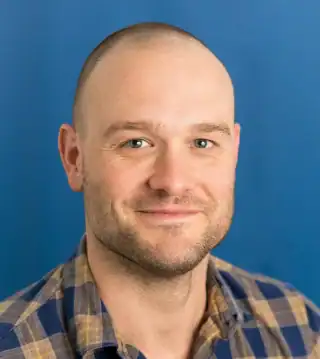
Sandy Schultz, PhD
(He/him)
Director, Monash Trauma Group Department of Neuroscience School of Translational Medicine Monash University
Dr. Sandy Shultz is a professor in the Department of Nursing, Health and Human Services at Vancouver Island University. After completing his PhD at the University of Western Ontario, he was awarded a CIHR postdoctoral fellowship which he completed in the Department of Medicine at the University of Melbourne. Shultz began his first faculty position (NHMRC Career Development Fellow, associate professor, laboratory head – Monash Trauma Group) at the Department of Neuroscience, Monash University in 2018. He has published over 100 articles on the topic of brain injury and related conditions. He has expertise in blood biomarkers, neuroimaging, behaviour, electrophysiological, cellular, and molecular techniques; and routinely applies these to study brain injury in both patients and animal models.
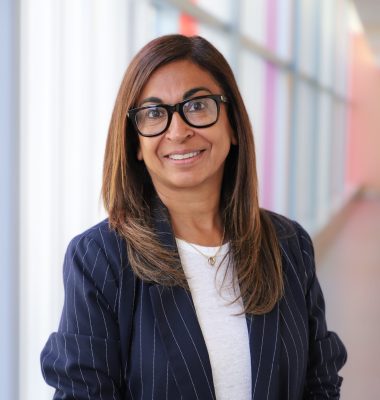
Shelina Babul, PhD
(She/her)
Director I BC Injury Research & Prevention Unit BC Children’s Hospital Research Institute Clinical Professor Department of Pediatrics I UBC Director CHIRPP I BC Children’s Hospital Investigator Djavad Mowafaghian Center for Brain Health, UBC
Dr. Shelina Babul is the Director of the BC Injury Research and Prevention Unit, BC Children’s Hospital. She focuses primarily on sport and recreational evidence-based research and knowledge implementation, with a particular specialization in concussions/traumatic brain injuries and their prevention, recognition, treatment, and management. Dr. Babul is also a Clinical Professor in the Department of Pediatrics, UBC; an Investigator with the BC Children’s Hospital Research Institute and the Djavad Mowafaghian Centre for Brain Health, UBC. She is the chair and/or member of several provincial and national concussion advisory committees.
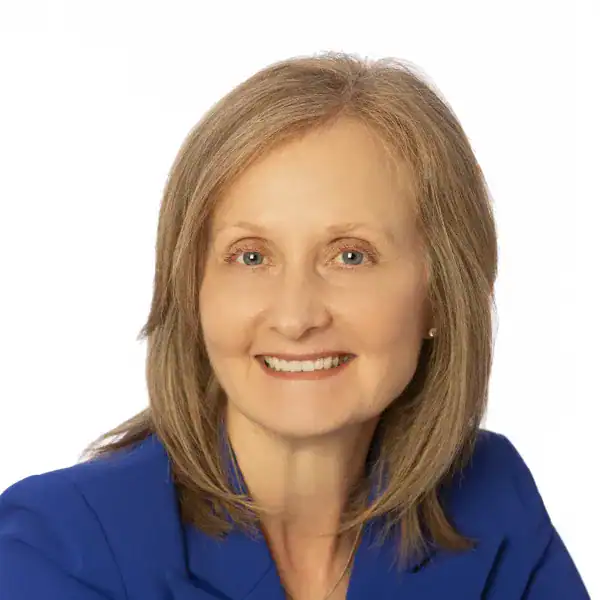
Vicky Bungay, PhD, RN, FCAN
(She/her)
Professor; Associate Dean, Research and Graduate Studies, Faculty of Applied Science University of British Columbia
Dr. Vicky Bungay is a professor and researcher in the School of Nursing, and a former Canada Research Chair in Gender, Equity and Community Engagement. Her work occurs in collaboration and in partnership with researchers, leaders, staff, and people with lived and living experience of gender-based violence. Her research focuses on addressing socio-economic and political inequities (e.g., marginalization) that negatively affect people’s health and well-being including the devastating effects of stigma, discrimination and violence. As the Associate Dean, she provides strategic leadership for Faculty of Applied Science research and graduate education. This includes strengthening connections across the diverse schools within the faculty: Nursing, Architecture and Landscape Architecture, Community and Regional Planning, and engineering departments, including the School of Engineering at UBC Okanagan.